What to Do with Bulky Waste in Goodmayes (Redbridge Rules)
Posted on 07/05/2026
If you've got an old sofa blocking the hallway, a mattress leaning in the spare room, or a broken fridge that somehow feels heavier every time you look at it, you're not alone. Bulky waste has a habit of sitting there for weeks, quietly taking up space and making life more awkward than it needs to be. This guide explains What to Do with Bulky Waste in Goodmayes (Redbridge Rules), in plain English, so you can choose the right option without guesswork, wasted trips, or an unwanted fine. We'll cover what counts as bulky waste, how local disposal typically works, when collection or removal makes sense, and what to check before you book anything.
There's a practical side to this, of course. But there's also the simple relief of clearing a room and getting your floor back. That matters too.
![Inside a property during a home relocation process, a moving company's vehicle is parked outside, with the rear door open showing a loading area on the pavement. On the driveway, there are several large cardboard boxes and plastic-wrapped furniture items being carefully moved onto the van, likely as part of a furniture transport or packing and moving service. A person is seen lifting a wrapped item, possibly a chair or appliance, with the assistance of a trolley or moving straps, while other packing materials such as bubble wrap and furniture blankets are visible nearby. The scene is illuminated by natural daylight, highlighting the organized loading process typical of house removals. This image, associated with [COMPANY_NAME], reflects professional logistics involved in relocating or disposing of bulky waste in accordance with local rules in Goodmayes, Redbridge.](/pub/blogphoto/what-to-do-with-bulky-waste-in-goodmayes-redbridge-rules1.jpg)
Why What to Do with Bulky Waste in Goodmayes (Redbridge Rules) Matters
Bulky waste is more than "stuff that won't fit in a bin". It can include furniture, white goods, mattresses, wardrobes, tables, office chairs, and other large household items that are awkward to move and too big for regular collection. In a busy area like Goodmayes, the challenge is not just getting rid of the item, but doing it in a way that is safe, tidy, and compliant with local expectations.
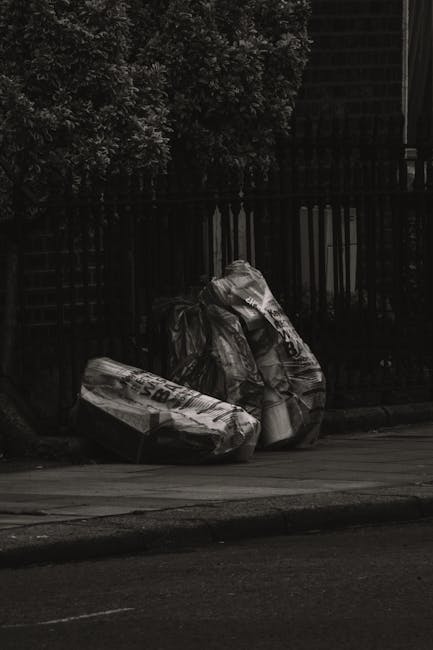
Why does that matter? Because the wrong disposal choice can create hassle fast. Items left on pavements can obstruct neighbours, attract complaints, or get damaged before collection. Poor lifting can lead to back strain or a dropped item that chips a wall, scuffs a stairwell, or worse. And if you're moving house, clearing bulky items at the last minute can make the whole process feel messy and rushed. If that sounds familiar, our guide to tackling house moving with zero stress fits neatly alongside this one.
There is also a sustainability angle. Not every bulky item belongs in the same stream, and many can be reused, repaired, or passed on. Good disposal is not just about getting rid of things. It's about choosing the least wasteful route where possible. To be fair, that's usually the most economical route too.
Key idea: bulky waste needs a decision, not just a dumping point. Once you know the item type, condition, weight, and deadline, the best option becomes much clearer.
How What to Do with Bulky Waste in Goodmayes (Redbridge Rules) Works
In practice, there are usually several routes for bulky waste in Goodmayes. The right one depends on what the item is, how quickly it needs moving, and whether it can be reused or broken down. Some people prefer a collection arranged through the local system where available. Others choose a private removal service, especially for multiple items, heavy furniture, or urgent clearances.
Here's the basic flow most people follow:
- Identify the item - Is it furniture, an appliance, a mattress, or mixed household junk?
- Check condition - Can it be donated, reused, or dismantled for easier removal?
- Measure and photograph it - This helps with accurate quoting and planning.
- Decide on the disposal route - Local collection, private removal, recycling, or a combination.
- Prepare access - Clear hallways, lift rugs, protect walls, and make sure the item can reach the vehicle safely.
- Complete the removal - Done properly, this should be quick, tidy, and predictable.
In Goodmayes, access can matter more than people expect. Narrow stairwells, parked cars, shared entrances, and tighter residential streets can turn a simple job into a mini logistical puzzle. That is why some residents lean towards a local man with a van in Goodmayes or a full removal services Goodmayes provider when the item is bulky, heavy, or awkwardly placed.
If you are clearing several rooms at once, it can help to think beyond disposal and plan the whole move-out process. Our article on decluttering techniques for moving is useful if you want to separate "keep", "sell", "donate", and "remove" before anything gets dragged to the kerb.
Key Benefits and Practical Advantages
Handling bulky waste properly gives you more than a clear room. It removes friction from the rest of your day. If you've ever tried to squeeze past a broken wardrobe leg in a narrow landing, you'll know the feeling. A proper plan solves that.
- Safer lifting and handling: bulky items can be deceptively awkward, especially on stairs or around corners.
- Less damage to your home: walls, floors, doors, and bannisters stay in better shape when items are moved with care.
- Faster clearances: a planned pickup is usually far less stressful than a last-minute scramble.
- Better recycling potential: some items can be separated for reuse or processed more responsibly.
- Cleaner end-of-tenancy or move-out: a cleared property is easier to clean and present.
- Less clutter, more usable space: that spare room starts looking like a room again, which is honestly satisfying.
There is a reason people sometimes pair bulky waste removal with storage or moving services. If you are deciding what stays and what goes, it may help to compare options before lifting a single box. You may also find the advice in proven packing methods for moving house handy if removal is part of a bigger move.
And one more thing: proper handling often saves money indirectly. Fewer damaged items, fewer missed trips, less wasted time. It all adds up.
Who This Is For and When It Makes Sense
This topic is relevant to a lot of people in Goodmayes, not just homeowners with a garage full of old furniture. In real life, bulky waste comes up in all sorts of situations.
- People moving house: especially when old furniture won't fit in the next place.
- Tenants at the end of a lease: when a property needs to be cleared fast and left tidy.
- Landlords and letting agents: after a tenancy ends and items are left behind.
- Families downsizing: when a larger sofa, bed, or wardrobe no longer makes sense.
- Students: when leaving a room, flat, or shared house with furniture that is too large to transport easily.
- Small businesses and offices: when desks, cabinets, and office chairs need clearing out.
It also makes sense when the item is too awkward for normal car transport. A lot of people underestimate this. A dining table sounds manageable until it needs to come through a tight staircase on a rainy evening. Suddenly, it feels less like a quick job and more like a wrestling match. That's when a better plan is worth having.
If you are in a flat or upper-floor property, the decision matters even more. Our flat removals Goodmayes page is a useful next step if bulky waste is happening alongside a larger household clear-out.
Step-by-Step Guidance
If you want a straightforward route through the process, use this sequence. It keeps things practical and reduces the odds of annoying surprises halfway through.
1. List every bulky item
Write down what needs to go. Include the obvious items first: sofa, mattress, freezer, wardrobe, chest of drawers, large shelves. Then check for the things people forget: broken stools, old office chairs, dismantled bed frames, or packaging from big new items.
2. Separate reusable items from waste
If something is still in decent condition, it may be better to reuse, donate, or sell it rather than treat it as waste. A clean sofa in good shape is a different decision from one with sagging cushions and split seams. If you are planning storage instead of disposal, see how to protect a sofa for long-term storage.
3. Measure access as well as the item
It is not enough to know the size of the item. You need to know whether it fits through the doorway, down the stairs, around corners, and into the vehicle. Goodmayes properties vary a lot, and access can be the part that changes the plan.
4. Decide whether the item should be dismantled
Some furniture can be reduced to smaller parts, which makes removal much easier. Wardrobes, bed frames, and shelving often come apart. If you are dealing with a bed, our guide to transporting a bed and mattress may help you judge what should be stripped down first.
5. Choose the removal method
At this stage, choose the path that fits the item and the time you have. For one heavy item, a smaller vehicle or van service may be enough. For multiple items, a more complete clearance may be better. Some households find a local man and van Goodmayes service is the simplest middle ground.
6. Prepare the property
Clear the route, protect corners, and remove small obstacles. If the item is being taken out from a top floor, make sure the stair path is safe and well lit. On a damp winter afternoon, this matters more than you might expect.
7. Complete the collection or drop-off
Once everything is ready, the actual removal should be calm and efficient. If the item is going out as part of a larger move, coordinating with a service that handles both removals and bulky items can save a lot of back-and-forth.
8. Finish with a quick clean-up
After the item goes, check for screws, dust, marks on the wall, or any forgotten packing material. A ten-minute sweep can make the whole room feel fresh again.
Expert Tips for Better Results
A few small habits make bulky waste removal much smoother. They are not dramatic. Just sensible, experienced little things that stop a job becoming awkward.
- Keep hardware in labelled bags: if you dismantle furniture, tape the screws to the frame or store them in a clearly marked bag.
- Take photos before dismantling: especially helpful for reassembly, valuation, or proving condition.
- Use two people for awkward items: one person can guide, but another makes the move steadier. Truth be told, this is one of those jobs where "I'll manage" often turns into "I should've asked for help".
- Protect floors and corners: a blanket, cardboard sheet, or moving wrap can save a lot of minor damage.
- Plan around parking and access: in busier parts of Goodmayes, a clean loading spot makes the whole process quicker.
- Check if other removals can be combined: if you are already moving house, it can make sense to clear bulky waste at the same time.
One practical point people miss: the easiest item to remove is often the one you prepare first. Start with the biggest obstacle, not the smallest. Once that's out, the room opens up and everything else feels simpler.
If your bulky waste includes speciality items like a piano, it is worth treating them differently from normal furniture. See piano moving options: professional help versus DIY before attempting anything heavy and high-value on your own.
Common Mistakes to Avoid
Most bulky waste headaches come from a small number of avoidable mistakes. None of them are rare. In fact, they are the sort of thing people only realise after the item is already halfway through the doorway.
- Leaving items outside too early: this can create complaints, clutter, or weather damage.
- Underestimating weight: a bulky item is often heavier than it looks.
- Forgetting access restrictions: stairs, narrow halls, and parked cars change the job.
- Mixing waste types: some items may need separate handling or recycling streams.
- Ignoring sharp edges or loose parts: broken furniture can cut hands and damage upholstery.
- Trying to carry too much at once: yes, it looks efficient. It usually isn't.
- Booking the wrong type of service: a single-item collection and a full house clearance are not the same thing.
Another common misstep is forgetting the bigger context. If you are clearing bulky waste before moving out, remember that the property still needs a final clean and check-over. This pairing is why our moving-out cleaning guide often goes hand in hand with waste removal advice.
Tools, Resources and Recommendations
You do not need fancy equipment to deal with bulky waste properly, but a few basic tools make a big difference. Think of them as the unglamorous heroes of the job.
- Gloves: useful for grip and for protecting your hands from rough edges.
- Moving blankets: helpful for protecting furniture, floors, and tight corners.
- Straps or rope: can help secure items safely during transport.
- Screwdriver or hex key set: often needed for dismantling beds, wardrobes, and cabinets.
- Tape and labels: handy for fixing small parts to the correct item.
- Measuring tape: simple, but surprisingly important.
- Trolley or sack truck: useful for certain items, especially if access is reasonable and the item is stable.
On the service side, the most useful resources are usually the ones that help you plan the whole job cleanly. For example, our pricing and quotes page is a sensible place to start if you want to compare options before committing. If you are looking at broader moving support, services overview and removals Goodmayes can help you see how bulky waste removal fits into a bigger move.
If the item is going into storage rather than out, the right preparation changes again. For example, freezer storage and upkeep are different from sofa storage, and both are different from simple disposal. The article on storing freezers when not in use is worth a look if that's your situation.
Law, Compliance, Standards, or Best Practice
For bulky waste, the safest approach is to follow recognised UK waste and property-clearance best practice, even when the item seems harmless. That means disposing of items responsibly, not abandoning them where they can cause obstruction or nuisance, and using a route that suits the material and the access conditions. If a service provider is involved, you should expect clear communication, sensible handling, and a tidy end result.
From a homeowner or tenant perspective, the important thing is simple: do not leave bulky items where they could obstruct shared access or create a safety issue. In flats, shared corridors and stairwells deserve extra care. In houses, pavements and front gardens are not a dumping ground. That may sound obvious, but obvious is not always what happens on a moving day at 7pm when everyone is tired.
Best practice also means sorting items intelligently. Reuse when you can. Recycle when the item is suitable. Dispose of waste through a proper route when neither of those options works. If you are unsure, ask the service provider to explain how they plan to handle the items. A decent operator should be able to talk through that without waffle.
For general assurance around handling and service standards, it is wise to review provider policies as part of your decision. Pages like health and safety policy, insurance and safety, and terms and conditions are not exciting reading, admittedly, but they do tell you a lot about how a company works.
Options, Methods, or Comparison Table
Here's a simple comparison of the most common bulky waste routes people use in Goodmayes. The "best" option depends on urgency, item size, and how much lifting is involved.
| Option | Best for | Strengths | Watch-outs |
|---|---|---|---|
| Local bulky waste collection | Single or limited items that fit the rules | Simple, familiar, often cost-effective | May need planning and waiting time |
| Private bulky item removal | Sofas, wardrobes, appliances, mixed loads | Flexible, quicker, handled for you | Costs can vary depending on size and access |
| Reuse or donation route | Items in good condition | Less wasteful, potentially helpful to someone else | Not suitable for damaged or unhygienic items |
| Dismantle and transport yourself | DIY-capable removals with time and tools | Can save money if managed well | Heavy lifting, vehicle space, and injury risk |
In plain terms, if you have one manageable item and plenty of time, a simple disposal route may be enough. If you have multiple heavy items, stairs, or a deadline, a more hands-on removal service is often the smarter choice. No shame in that. Some jobs are just better delegated.
Case Study or Real-World Example
Imagine a couple in Goodmayes clearing a two-bedroom flat before moving. They have an old three-seater sofa, a broken wardrobe, an electric cooker, and a mattress that has seen better days. At first they think they can do it all in one carload. Then they measure the wardrobe and realise it will not fit down the stairwell in one piece.
So they pause. Good move.
They separate the items into three groups: keep, donate, remove. The sofa is still usable but too large for the new place, so they decide to remove it. The mattress is past its best, so it goes out as waste. The wardrobe gets dismantled because that makes it manageable. They clear the hall, protect the corners with blankets, and arrange a removal slot that works around parking near the property.
The result? Less stress, no last-minute panic, and a flat that is actually ready for final cleaning. That's the bit people usually appreciate most. If you are in a similar situation, our house removals Goodmayes page may be useful if your bulky waste removal is part of a broader move.
It sounds simple after the fact, of course. It always does. But in the moment, a calm plan makes all the difference.
Practical Checklist
Use this before any bulky waste pickup or removal in Goodmayes:
- Identify every item that needs to go
- Check whether anything can be reused, donated, or sold
- Measure the item and the route out of the property
- Dismantle furniture if it will make removal safer
- Clear access paths, doors, and stairways
- Protect walls, floors, and corners
- Gather tools, gloves, tape, and labels
- Confirm vehicle access and parking arrangements
- Separate recycling-friendly items where possible
- Schedule the collection or removal at a sensible time
- Do a final sweep for small parts, screws, and debris
Expert summary: the best bulky waste plan is usually the one that reduces lifting, reduces damage, and reduces last-minute decisions. Measure first. Move second. Panic never, if you can help it.
If you are trying to improve the whole moving process, the right packaging and transport support can save a lot of effort. Our packing and boxes page is a useful companion resource, especially if bulky waste is only one part of a bigger clear-out.
Conclusion
Bulky waste in Goodmayes is easiest to handle when you treat it as a planning task, not just a disposal chore. Once you know what the item is, how it moves, and which route suits it best, the whole job gets calmer. Whether you are clearing a flat, getting ready to move, or simply reclaiming space from an old sofa or mattress, the right choice saves time and reduces stress.
Keep it simple. Measure the item, protect the property, choose the right removal route, and do not leave heavy lifting to guesswork. That's the practical formula. Not glamorous, but it works.
And if the room looks a little brighter once the bulky stuff is gone, well, that's a good feeling. A proper reset, really.
Get a free quote today and see how much you can save.
![Inside a property during a home relocation process, a moving company's vehicle is parked outside, with the rear door open showing a loading area on the pavement. On the driveway, there are several large cardboard boxes and plastic-wrapped furniture items being carefully moved onto the van, likely as part of a furniture transport or packing and moving service. A person is seen lifting a wrapped item, possibly a chair or appliance, with the assistance of a trolley or moving straps, while other packing materials such as bubble wrap and furniture blankets are visible nearby. The scene is illuminated by natural daylight, highlighting the organized loading process typical of house removals. This image, associated with [COMPANY_NAME], reflects professional logistics involved in relocating or disposing of bulky waste in accordance with local rules in Goodmayes, Redbridge.](/pub/blogphoto/what-to-do-with-bulky-waste-in-goodmayes-redbridge-rules3.jpg)


