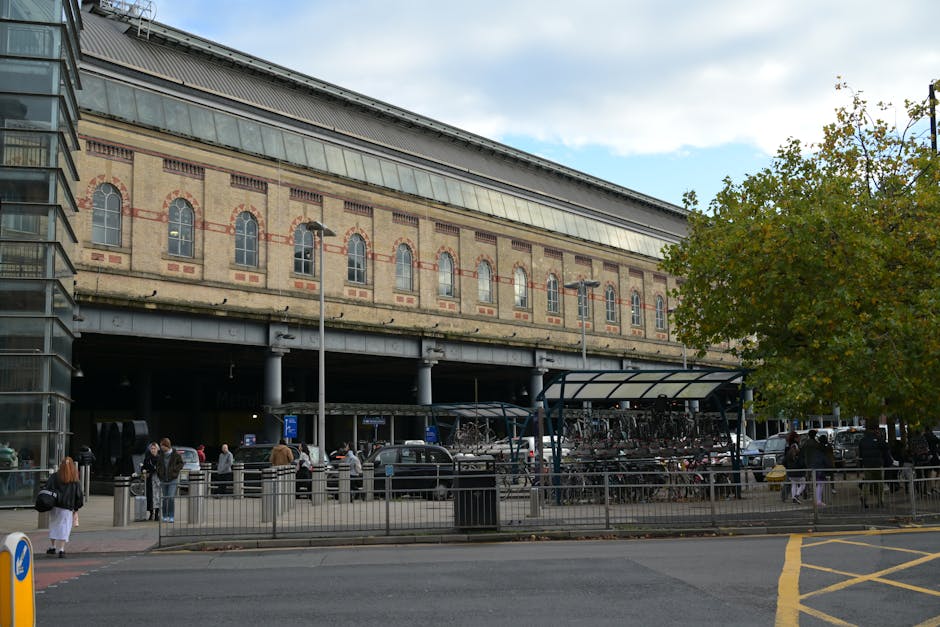
Goodmayes Station Moves: Streets, Access & Parking Tips
Posted on 29/04/2026
Goodmayes Station Moves: Streets, Access & Parking Tips
If you are planning a move around Goodmayes Station, the details matter more than most people expect. Streets can be tighter than they look on a map, access can change with time of day, and parking near a station area can become the difference between a smooth moving day and a frustrating one. This guide to Goodmayes Station Moves: Streets, Access & Parking Tips breaks down the practical side of moving in and around the station area so you can plan with confidence, reduce delays, and avoid the usual headaches.
Whether you are moving a flat, a family home, or a business close to the station, the best approach is the same: understand the local streets, check access early, and think through parking before the van arrives. That sounds simple enough. In real life, it often is not.
Below, you will find a clear, local-first guide covering route planning, loading access, parking considerations, common issues, and the decisions that save time on moving day. If you also need related support for a broader move across the area, you may find it helpful to review removals services, our East London coverage, and the practical advice in the house move checklist.
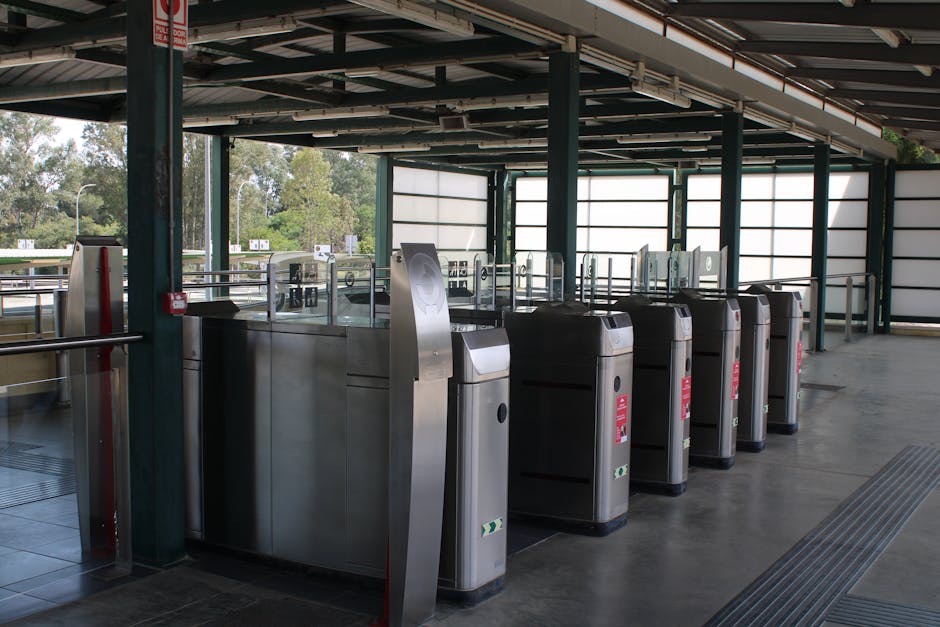
Why Goodmayes Station Moves: Streets, Access & Parking Tips Matters
Station-adjacent moves have a few unique pressures. Roads may be busier at commuter times, parking may be controlled or limited, and access can be awkward if the property sits on a narrow street, a one-way road, or close to a junction. Good planning is not just a nice extra; it is what keeps your move efficient and safe.
For homes near Goodmayes Station, small issues can quickly stack up. A van that cannot stop near the entrance means longer carrying distances. A loading point blocked by another vehicle means delays. A poor route choice can lead to avoidable congestion. Even a five-minute problem can snowball when you are moving furniture, boxes, and fragile items under time pressure.
That is why local moving knowledge is valuable. It helps you think ahead about the route, the parking space you actually need, the size of the vehicle, and how much loading time you should allow. If you are comparing moving support options, it also helps to understand the broader service picture, which is why pages like man and van assistance and specialist item removals can be useful when your move has unusual access or handling needs.
Key takeaway: around station areas, the move is rarely just about transport. It is about access, timing, and smart street-level planning.
How Goodmayes Station Moves: Streets, Access & Parking Tips Works
The practical process is straightforward, but each step matters. First, you assess the property and the surrounding streets. Then you work out whether a van can stop safely and legally near the entrance. After that, you plan the loading route, identify any parking restrictions, and decide whether you need permits, temporary loading arrangements, or a smaller vehicle.
In simple terms, the process works like this:
- Check the street layout. Look for width restrictions, bends, one-way systems, kerbside space, and nearby junctions.
- Assess access to the property. Consider stairs, shared entrances, narrow hallways, or limited front-door space.
- Review parking rules. Check whether the area is permit controlled, time-limited, or likely to be busy during commuter hours.
- Match the vehicle to the access. A larger van may reduce trips, but a smaller vehicle can be more practical on tight roads.
- Plan the sequence of loading. Decide what should go first, what needs protection, and what can be carried last.
The best results usually come from treating the move like a route-and-access project, not just a transport booking. You do not want to discover on the day that the van can park, but not for long enough to load a sofa. Or that your building entrance is on the side road, not the main one. It happens more often than people think.
For especially awkward access, it can help to use services that are designed for flexibility. A local single-item removals option, for example, may be more practical than arranging a larger standard move if you are handling one bulky item or a small load.
Key Benefits and Practical Advantages
Good street and parking planning brings benefits that are easy to underestimate until the move is underway. The obvious one is time saved, but the real value is in reduced stress and fewer surprises.
Here are the main advantages:
- Less loading delay: the van can get in and out more efficiently.
- Safer handling: shorter carrying distances reduce the chance of bumps, drops, or strain.
- Better timing: you are less likely to lose momentum during busy road periods.
- Lower disruption: neighbours, pedestrians, and other road users are less affected when access is handled properly.
- More accurate planning: you can estimate how long the move will really take, not just how long the driving route takes.
There is also a practical mental benefit. When parking and access are sorted before moving day, you can focus on the actual move rather than solving basic logistics while the clock is ticking. Truth be told, that makes a huge difference.
If your move includes fragile or bulky possessions, planning access properly can also reduce the need for repeated repositioning. For example, items like wardrobes, appliances, or large desks are much easier to move when the route from van to front door is short and clear. If you need specialist help, furniture removals support may be worth considering.
Who This Is For and When It Makes Sense
This guide is most useful if your move involves any of the following:
- a property close to Goodmayes Station
- a flat or maisonette with limited parking
- a street with commuter traffic or controlled bays
- a narrow access road, shared driveway, or awkward turning space
- a move that needs a van to wait, load, and leave efficiently
- heavy, awkward, or high-value items that should not be carried long distances
It also makes sense if you are a landlord, tenant, homeowner, or property manager coordinating a move in a busy local area. In those cases, access questions often come up late, and that is when small problems become expensive ones.
Some readers are simply trying to choose the right moving method. If that is you, the decision usually comes down to scale. A full house move, a partial move, and a single-item job all have different access needs. A compact van can be ideal for tighter streets, while a larger vehicle may suit a bigger load if parking is available. If you want a broader overview of available support, take a look at house removals and the local context on our service areas.
Step-by-Step Guidance
Use this step-by-step approach to reduce risk and keep the move efficient.
1. Inspect the street before moving day
Do a quick walk or drive-by if you can. Look at road width, turning space, parked cars, and whether there is room for a van to stop without blocking traffic. Even a short visit can reveal details that a map will miss.
2. Check access at both ends
Do not focus only on the property you are leaving. The new address matters too. If the new place has a tighter entrance, you may need different equipment, a different vehicle size, or extra helpers on unloading day.
3. Identify parking restrictions early
Look for signs indicating permit zones, time limits, loading restrictions, or suspension notices. If you are not sure, check with the relevant local authority or building management. Do not assume that a short stop is automatically fine. That assumption has caused more than a few moving-day headaches.
4. Decide where the van will stop
Pick the best available spot for loading and unloading, then think through what happens if it is unavailable. A backup spot can save the day. If your area regularly gets busy, it is worth planning two possible stopping points instead of one.
5. Prepare items in the right order
Pack and stage items in the order they are likely to be loaded. Heavy, solid items first; fragile and last-minute essentials separately. This keeps the process smooth and avoids wasting time reorganising boxes at the van.
6. Allow for realistic timing
Build in a little extra time for street congestion, parking adjustments, lifts, stairs, or weather. A move that looks short on paper may still take longer than expected if access is tight.
7. Confirm the plan with everyone involved
Make sure the moving team, helpers, and household members know the access point, parking plan, and timing. A simple shared plan avoids confusion when the van arrives and somebody says, "I thought it was around the back."
If you are moving alongside storage or temporary holding, it may also help to review storage solutions so you can keep the sequence organised without crowding the property.
Expert Tips for Better Results
Small adjustments often create the biggest improvements. Here are the practical tips that tend to matter most in station-area moves.
- Move outside peak traffic where possible. Early mornings are often easier for access, though you should still check local parking rules and noise considerations.
- Measure the awkward items. A sofa or wardrobe that fits inside the home may still be difficult at the kerb if the van position is poor.
- Use a spotter. One person guiding the van can prevent minor errors when reversing or positioning near tight entrances.
- Keep one path clear. Do not let boxes spread across every hallway or pavement edge. Clear routes reduce trip hazards and make carrying easier.
- Separate essentials. Keep keys, documents, chargers, and immediate-use items in a bag you control personally.
- Check weather the day before. Rain can change grip, visibility, and how carefully items need to be wrapped and carried.
One useful habit is to think in terms of friction. The less unnecessary movement between van, pavement, stairs, and door, the better the day usually goes. It sounds obvious, but moves are rarely ruined by one big problem; they are slowed by a chain of small ones.
If your property has more complex access, a service page like office removals can also be helpful for understanding how structured loading plans work in tighter urban settings.
Common Mistakes to Avoid
Most moving problems near station areas come from avoidable planning gaps. The good news is that they are easy to spot once you know what to look for.
- Assuming parking will be available. In busy local streets, that is a gamble.
- Ignoring access at the new address. The second property can be more restrictive than the first.
- Choosing the wrong vehicle size. Too large creates access problems; too small creates repeat trips.
- Leaving packing too late. Last-minute boxes make the loading order messy.
- Forgetting building rules. Flats, managed properties, and shared entrances may have their own procedures.
- Not planning for pedestrians or neighbours. A blocked pavement or cluttered entrance can create avoidable tension.
Another common mistake is failing to think about where people will wait while loading happens. If helpers are standing in the wrong place or the van is parked awkwardly, everybody gets in each other's way. A little organisation here goes a long way.
Tools, Resources and Recommendations
You do not need a complicated toolkit, but the right basics make a genuine difference.
- Measuring tape: useful for doorways, lifts, furniture, and van access.
- Phone maps and street view: helpful for checking road shape and entry points.
- Parking information: verify local restrictions with the relevant authority if the area is controlled.
- Furniture blankets and straps: protect items during short, repeated carries.
- Labels and boxes: make unloading faster and reduce confusion.
- Torches and weather protection: useful if light is poor or rain is likely.
For people moving within the wider area, the broader local service information on Goodmayes area support and contact options can help with route planning or a tailored quotation. If you are still at the research stage, that is often the best place to start.
Practical recommendation: before move day, write down the exact loading point, the backup parking point, and the name of the person who will guide the van if needed. Three lines of notes can prevent a lot of unhelpful guessing.
Law, Compliance, Standards, or Best Practice
For moves around Goodmayes Station, compliance is mainly about parking rules, road safety, and respecting local access conditions. Exact restrictions vary by street and local authority, so it is wise to check signage and official guidance rather than relying on assumptions.
Where parking or loading is concerned, best practice usually means:
- parking only where it is permitted or clearly allowed for loading
- keeping access routes open for pedestrians and neighbours where possible
- avoiding obstruction of junctions, dropped kerbs, or emergency access
- following any building management requirements for shared entrances or lifts
- treating permit or time-restricted zones carefully, especially near commuter areas
If you are moving a business or handling specialist items, there may also be internal procedures, insurance expectations, or site rules to consider. That is one reason professional planning is so useful: it helps align the move with normal UK standards and avoids the messy "we thought it would be fine" problem.
If your move involves heavier or higher-risk items, you may also want to review the practical guidance around packing services to improve safe handling and reduce damage risk.
Options, Methods, or Comparison Table
The best moving method depends on how tight the streets are, how much you are moving, and how easy it is to stop nearby. This comparison may help you decide.
| Approach | Best For | Strengths | Limitations |
|---|---|---|---|
| Large van | Full home moves with decent access | Fewer trips, efficient for big loads | Harder to manoeuvre on narrow streets |
| Smaller van | Tight roads or partial moves | Easier parking and positioning | May need more trips for larger loads |
| Man and van support | Flexible local moves | Useful for mixed access and smaller volume | May not suit very large households |
| Specialist item move | Single bulky or delicate items | Focused handling and better protection | Not efficient for full house contents |
There is no universal winner. If access is the main challenge, a smaller vehicle or more flexible approach often beats trying to force a larger one into a tight space. If volume is the challenge, a bigger van may still be the smarter choice, provided parking and turning are realistic.
Case Study or Real-World Example
Imagine a two-bedroom flat near the station with stair access and limited nearby parking. The residents initially plan for a standard van to park directly outside. On inspection, they realise the best stopping point is actually a short distance away because the closest bay is occupied during the morning commuter rush.
Rather than leaving it to chance, they adjust the plan the day before. They stage boxes by room, separate the fragile items, and agree on a backup loading point. They also schedule the move outside the busiest part of the morning. As a result, the move still involves some carrying, but the van can load efficiently, and there is no frantic last-minute search for space.
What made the difference was not luck. It was realistic access planning.
That is the pattern you see again and again. A move close to a station does not need to be difficult, but it does need to be deliberate. If you want the same kind of structure for a broader relocation, the advice in moving day tips can complement what you are doing here.
Practical Checklist
Use this checklist before moving day to keep the process on track.
- Confirm both addresses and entry points
- Check street width, bends, and nearby junctions
- Review parking restrictions and loading rules
- Identify a primary and backup stopping point
- Measure bulky furniture and awkward items
- Prepare labels, tape, blankets, and straps
- Stage boxes in loading order
- Keep essentials separate and accessible
- Confirm the move time with everyone involved
- Check weather and traffic forecasts the day before
- Review any building or landlord access instructions
- Keep the pavement, hall, and doorway as clear as possible
Expert summary: the smoother the street-level plan, the easier every other part of the move becomes. Good access and sensible parking do not just save time; they reduce stress, limit lifting distance, and help protect your belongings.
Conclusion
Goodmayes Station moves are manageable when you treat streets, access, and parking as part of the move itself. That means checking the road layout, thinking through where the van can stop, planning for restrictions, and preparing for the reality of local traffic and commuter patterns. The more practical detail you handle early, the less likely you are to face delays on the day.
Whether you are moving a flat, a family home, or a single item near the station, the same principle applies: a clear access plan is worth its weight in time saved. Keep it simple, keep it realistic, and build in a little margin. A calm move usually starts with good street-level decisions.
If you are ready to make the next step easier, talk through your access needs early and get a tailored quote that reflects the property, the streets, and the parking conditions you are working with.
Get a free quote today and see how much you can save.